
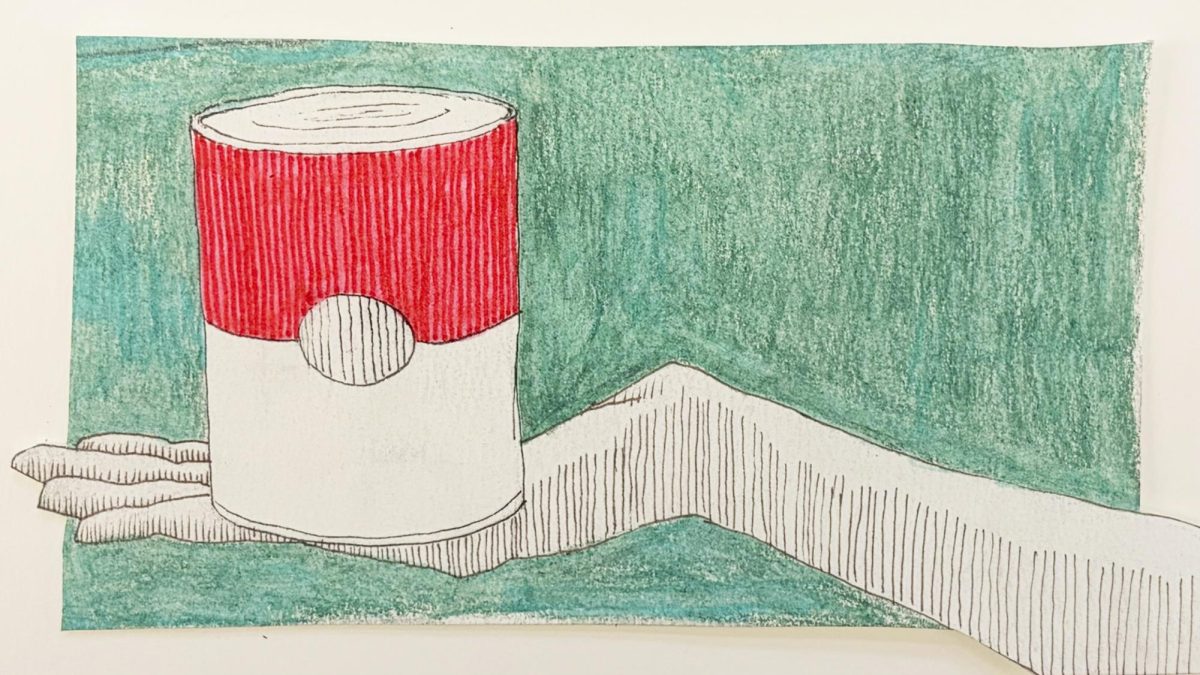
SB 320 is a bill that protects student and parent access to school-based food pantries. It also adds restrictions on what food can be in school-based pantries to avoid toxic chemicals and dyes.
This bill is a good step in the right direction towards food access for all Utahns. We must ensure everyone in Utah has access to free or affordable food.
Food insecurity in Utah
Utah is no stranger to food insecurity. 1 in 8 Utahns face food insecurity. 1 in 6 of those people are children.
A 2025 study found that children between the ages of two and 17 who are experiencing food insecurity have worse health. This includes increased risk of asthma, depression and visits to the emergency room. The study reported that cardiovascular health is worse in adults who experienced childhood food insecurity than in children who had SNAP access.
Growing up in poverty, I experienced extreme food insecurity. My family didn’t qualify for SNAP benefits. The long-term effects of this struggle have permanently altered the way I interact with food. Food insecurity led me to struggle with disordered eating, cardiovascular health issues and food hoarding.
College students who are facing food insecurity face the risk of worse mental health, worse academic success and impaired physical health. The GPA of students facing food insecurity is also lower by 0.25 than that of their counterparts. Additionally, other students have cited academic retention issues as another effect of food insecurity.
An estimated 17% of college students struggle with an eating disorder. An eating disorder can be worsened by food insecurity, which 39% of low-income college students face.
In adults, food insecurity is associated with a higher risk for eating disorders like anorexia and bulimia. A study found that many individuals experiencing food insecurity go through a “feast-or-famine” cycle where food intake oscillates based on availability. This cycle closely mimics food restriction found in many eating disorders. Additionally, the experience of joy when the “feast” cycle mimics the joy of a binge in an eating disorder.
The University of Utah’s Feed U Pantry
The University of Utah’s Basic Needs Collective offers a solution to the high rates of food insecurity that college campuses face. The Feed U Pantry is a food pantry for the U, located in the Student Union. This food pantry, partnered with Utah Food Bank, allows anyone with an active student ID access to the pantry.
Luke Peterson, a volunteer for the Feed U Pantry, got involved with the pantry to fulfill the mandatory community service for his degree. “I was just kind of looking around at opportunities and just kind of presented itself. So here I am. I’ve been doing it ever since. I love it,” he said.
When asked what his favorite part of volunteering for the pantry is, Peterson said, “Honestly, I mean, I’ve gotten to work with a lot of really cool people. We just kind of get to hang out, talk stuff like that, and we’re all doing that while we’re able to help people get food.”
“There’s always the stereotype … of the broke college student … And I mean, there is some truth there. I mean, people are busy with classes, costs are rising with groceries, housing and everything related to cost of living. So, I mean, it’s just really nice to be able to kind of, however small, make an impact and maybe help, so that someone doesn’t go hungry one night,” Peterson said.
Access to free food is important for everyone. The Feed U Pantry can help increase the academic success of food-insecure students, which is exactly what SB 320 aims to do.
Utahns and recent SNAP cuts
U.S. President Donald Trump’s One Big Beautiful Bill Act (OBBBA) plans to cut SNAP costs by $186 billion between 2025 and 2034. As a result of this change, the Congressional Budget Office estimates that 2 million Americans will lose SNAP benefits.
Additionally, OBBBA makes it harder to qualify for SNAP benefits. Any adult over 18 without dependents (called ABAWD in the bill) must prove they’re working 80 hours a week. An exception exists for ABAWD who are enrolled at least 50% of the time in an educational program, or a combination of both.
OBBBA will also expand the age group for ABAWD from 18-55 to up to 65. Utah’s 24-64 age group contains over 989,854 males and 950,019 females, who are all becoming less eligible for SNAP benefits.
18.9% of all 18–24-year-olds in Utah are in poverty. This is the highest poverty rate for all age groups in Utah. Without SNAP, this group will be in danger of increased poverty. Additionally, 51.3% of households using SNAP have children. These cuts will directly affect Utahns, whether they’re 18-65-year-old ABAWD or children of families using SNAP.
If you’re a student at the U facing food insecurity, the Feed U Pantry can help. The pantry is committed to helping the University of Utah combat food insecurity. As Peterson said in his interview, “If you need it, we’re here. You can come get anything you need, essentially, whenever the pantry is open.”
All humans need food to survive and thrive. SB 320 is a stepping stone to protecting Utahns from food insecurity.