University of Utah students may be relocated from campus housing during the 2034 Winter Olympics, officials said on Wednesday, as planners work through what they called a “multipart” solution to accommodate thousands of incoming athletes.
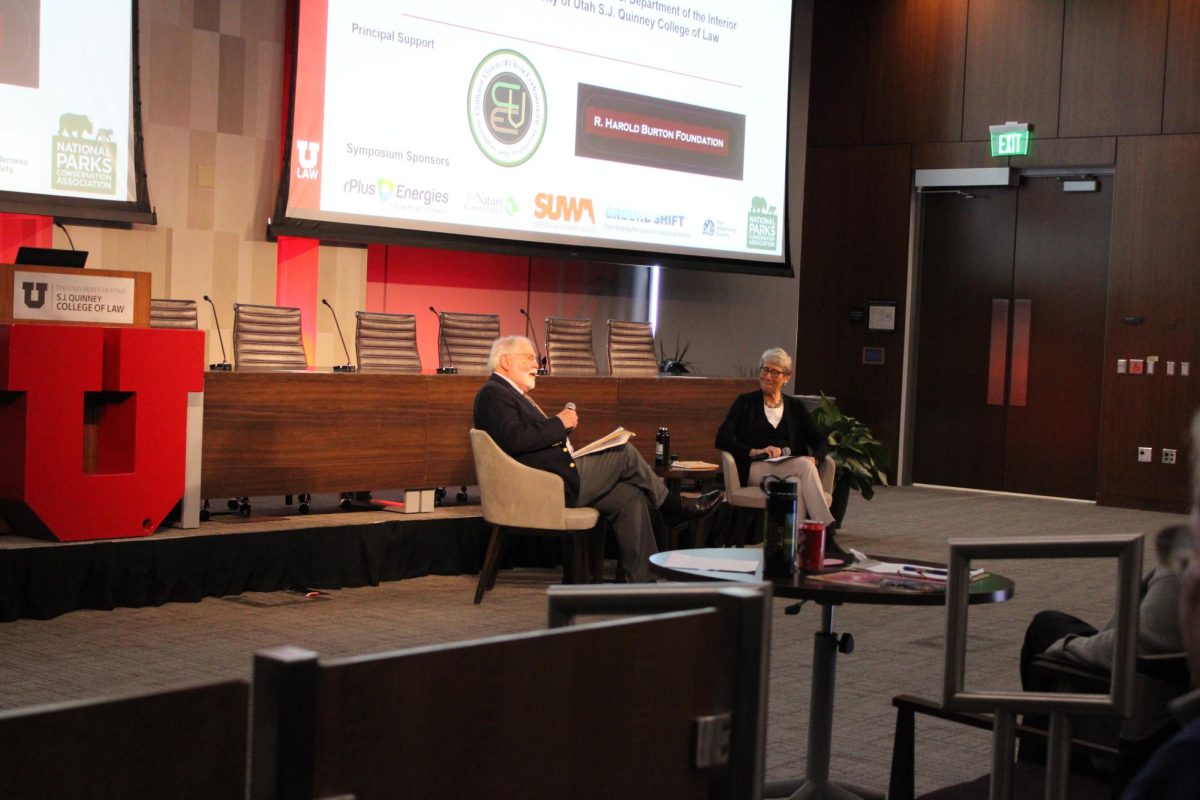
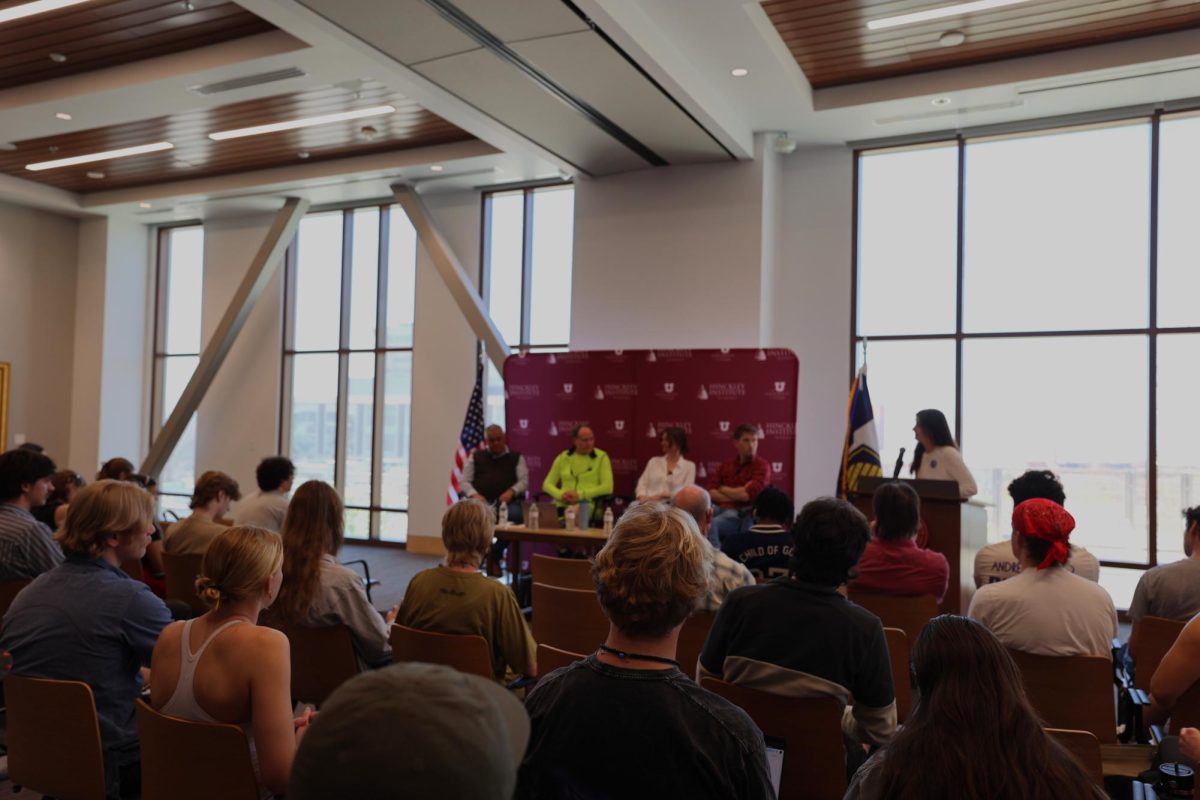
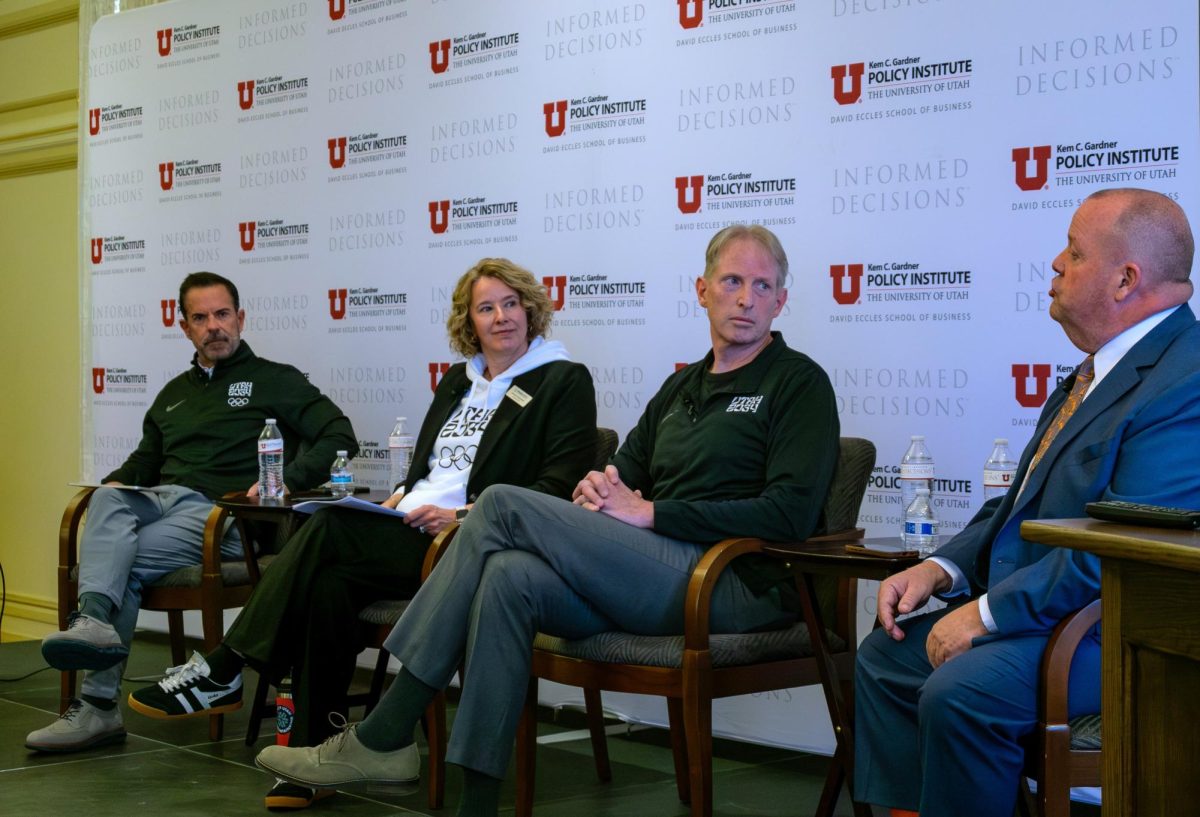
Officials, including Brad Wilson, Utah 2034’s CEO, and Scott Doughman, director of Olympic planning at the U, met at the Thomas S. Monson Center on March 25 after visiting Milan and Cortina d’Ampezzo, Italy. The panelists, hosted by the Kem C. Gardner Policy Institute and moderated by Natalie Gochnour, board chair for the Utah Olympic Legacy Foundation, discussed what they had learned from the 2026 Winter Games. “This is one of, if not the biggest moments that we’ll have on the world stage, as we prepare for 2034,” Wilson said.
Olympics’ impact on the U
Doughman said planning early will be key to successfully hosting the 2034 Winter Olympics. He indicated there is a “baseline of performance” the U needs to achieve, especially regarding the opening and closing ceremonies and the athlete experience. “You mess any one of those up, even just marginally, and unfortunately, it becomes the headline,” Doughman said. “We’ve gotta be very careful they don’t get the wrong headline.”
At Milan Cortina 2026, he learned to pay attention to small planning details, Doughman said. His team is now planning several elements of the athlete’s experience, like interviews, storage, sponsor meetings and drug testing. Doughman also alluded to significant changes in transportation infrastructure after speaking with officials from the US Department of Transportation in Italy. He said future transportation projects may require “hundreds of millions of dollars” in funding.
He said he is excited about how this will benefit the U and its campus. “This is an opportunity, in so many ways, to evolve the brand of the university,” Doughman said. He said it will coincide with President Taylor Randall’s “college town magic” initiative, with an increase in housing and dining facilities.
Doughman said that by 2034, there will be more housing than necessary to host Olympic athletes. He also said, “There’s gonna have to be different solutions for different students,” regarding whether they will be able to remain in their campus housing during the games or not. “Some will be more than thrilled to just move to something remote,” Doughman said. “Some will be housed, probably by members of the community.” Doughman said his team will have a solution for student housing, but that it will be a “multipart” solution. “It’s non-trivial, and we’re working through it right now,” he concluded.
Opportunity for the state
CEO Wilson said he looks forward to how the 2034 Olympics will contribute to international collaboration. “Our world needs more of us cheering for each other,” he said. Wilson said the state will build on the 2002 Games’ legacy through infrastructure, education, social capital and community. “We are not planning an event for 17 days; we are planning for decades,” Wilson said.
Gochnour, the moderator, said the Games also represent a financial opportunity for the state. A report from the U’s policy institute projects the Olympics will generate $2.4 billion in net new direct spending and $21 million net fiscal revenue to the state, between 2024 and 2035.
Amid concerns for a winter with low snowfall, the panelists said they are also investigating snow-farming and transportation technologies. Wilson said the state will be prepared if 2034 is similar to this year’s winter.
Another panelist, Jennifer Wesselhoff, CEO at Visit Park City, said the event will be a good artistic and cultural opportunity for the state. She said the Games will be “a catalyst to celebrate our history and our culture.” Wesselhoff said her team is working to activate Park City’s downtown areas and elevate the community. She wants “residents [to] feel like hosts rather than spectators,” Wesselhoff said.